Logan Becker · 1 October 2026
AI Tools Enhance Language Training for Engineers in Local University Networks
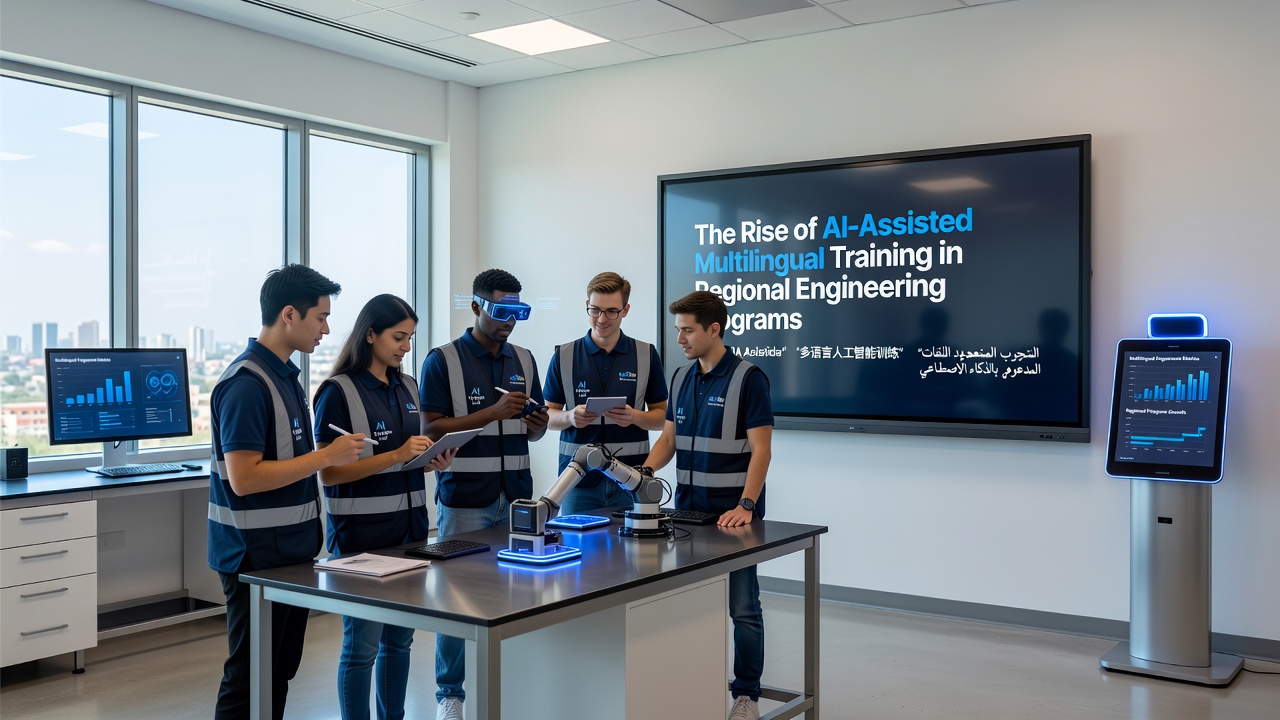
Regional engineering programs have integrated artificial intelligence platforms to accelerate multilingual skill development, and this shift addresses the growing demand for technical professionals who can operate across language boundaries in collaborative projects. Data from education ministries across multiple countries shows enrollment in these AI-supported courses rose steadily through 2025, with further expansions noted by October 2026 in several Central European networks.
Universities in smaller cities and rural areas often face challenges when recruiting instructors fluent in both engineering terminology and additional languages, yet AI systems now supply interactive modules that simulate technical discussions in English, German, and French while adapting to individual learner progress. Researchers at institutions participating in these initiatives report that students complete language benchmarks in technical subjects 30 percent faster than in prior non-AI formats, according to internal evaluations shared at regional education forums.
Core Mechanisms Behind the Training Approach
AI-assisted platforms combine speech recognition, automated translation tailored to engineering contexts, and adaptive feedback loops that identify gaps in specialized vocabulary such as materials science terms or circuit design descriptions. These systems draw from large datasets of technical documents and real project communications, which allows learners to practice scenarios like drafting safety reports or negotiating supplier contracts in multiple languages without requiring constant human oversight.
One program in a mid-sized technical college began piloting the tools in 2024 after observing that graduates struggled during international internships, and follow-up tracking revealed improved performance metrics in cross-border team settings. Observers note that the technology also logs usage patterns to refine curriculum pacing, ensuring that complex topics like fluid dynamics receive additional multilingual reinforcement before students advance.
Implementation Patterns Across Regional Institutions
Coordinated networks of engineering schools have pooled resources to license shared AI platforms, which reduces individual costs while standardizing assessment criteria for language proficiency alongside core technical competencies. Government education agencies in participating regions allocated targeted grants in 2025 to support hardware upgrades and faculty training sessions focused on interpreting AI-generated analytics.
Figures from a collaborative report issued by the European Centre for the Development of Vocational Training indicate that over 12,000 engineering students accessed these multilingual modules during the 2025 academic year, with participation rates climbing into October 2026 as additional institutions joined the network. The same data reveals higher retention among students who combined AI sessions with periodic human-led workshops, suggesting a blended model sustains engagement over longer periods.
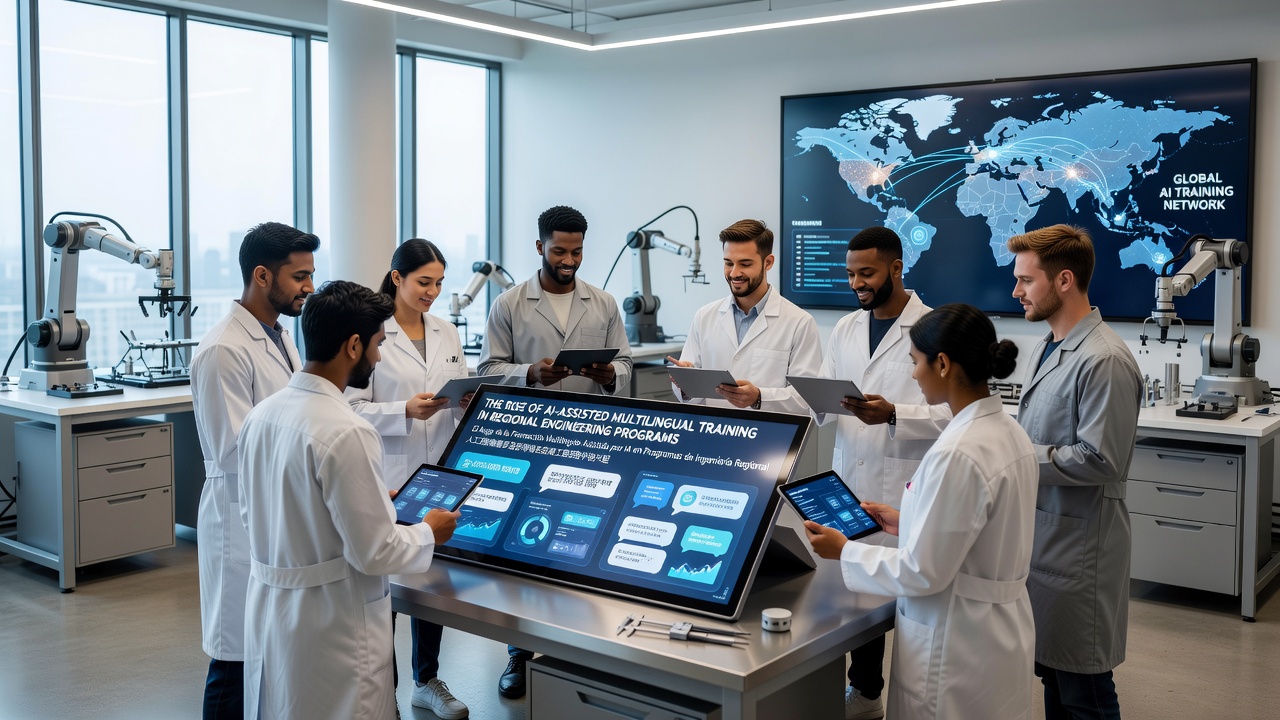
Case examples include a consortium in the Baltic states that embedded the tools into existing CAD and project management courses, allowing students to toggle between their native language and target languages during design reviews. Similar efforts in parts of the Balkans incorporated industry partners who supplied authentic documentation for the AI datasets, ensuring relevance to local manufacturing sectors.
Supporting Data and External Benchmarks
Studies conducted by academic teams at participating universities demonstrate measurable gains in reading comprehension of technical manuals, while oral fluency assessments show particular improvement in domain-specific pronunciation. OECD education indicators highlight that regions adopting these methods report stronger alignment between graduate skills and employer requirements for multilingual technical staff, with placement rates in international firms increasing by notable margins.
Further context appears in analyses from the OECD education database, which tracks language outcomes across vocational programs. Complementary findings from the European Commission education reports underscore how digital language supports contribute to broader mobility goals within technical fields.
Challenges Encountered During Rollout
Faculty members initially required guidance on integrating AI outputs into grading rubrics, and some institutions adjusted schedules to accommodate both automated practice and in-person validation of technical accuracy. Data privacy protocols were updated to handle student interaction logs, and regional oversight bodies issued guidelines that balanced innovation with compliance standards.
Despite these adjustments, program coordinators continue to refine interface designs based on user feedback, particularly for dialects and regional technical jargon that standard models handle less effectively. Ongoing monitoring through October 2026 shows sustained usage, with institutions sharing best practices through periodic network meetings.
Conclusion
Regional engineering programs continue to expand AI-supported multilingual training as enrollment and outcome data support its continued application. Institutions track progress through established metrics while adapting platforms to emerging technical domains, and coordinated efforts among networks maintain focus on measurable skill acquisition for graduates entering diverse professional environments.